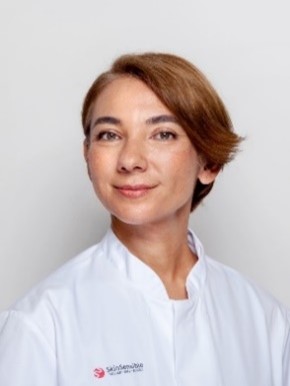
As a former acne patient, I know first-hand how great the mental and physical impact this condition can have on you. I remember very well how I tried to hide my pimples under layers of make-up every day. All the nasty remarks I had to put up with from those around me. And all the smelly treatment creams I smeared on my face, which usually had little effect.
Now that I am older, my acne is thankfully over and as a Dermatologist, I now have all the knowledge and experience to effectively treat acne and acne scarring in others.
Treating active acne first
Before treating acne scarring, it is important to treat the active acne inflammation first. Therefore, for active acne, first visit your GP or dermatologist for treatment with an effective drug.
Hyperpigmentation spots
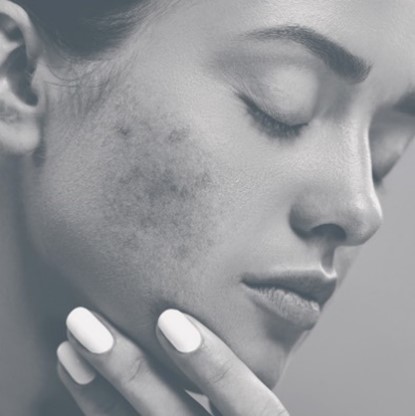
As acne inflammation heals, you may be left with some dark spots. This is called "postinflammatory hyperpigmentation" by doctors. These spots are temporary and usually disappear within a few months. In people with darker skin, they often remain visible for longer. It is not necessary to treat these spots, but the healing process can be accelerated with peelings.
Treating acne scars
Unfortunately, there are also scars caused by acne that do not go away on their own. These scars occur as a result of severe acne, which involves prolonged large deep and painful inflammations on your face and/or on your back and chest. These kinds of permanent scars look like small dents and holes in your skin. They can also occur if you often scratch or squeeze the pimples open.
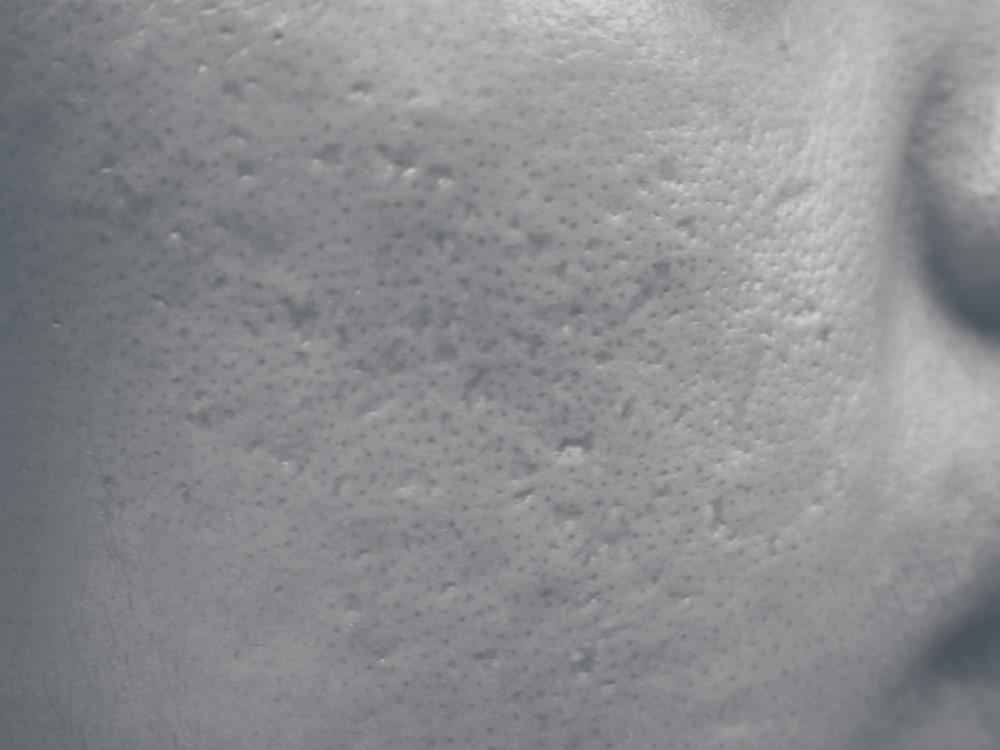
Several treatments are available for these deep and permanent acne scars:
- Peeling
- Micro-needling
- Fillers
- Laser
The choice of treatment type depends on your skin type, the type of scars you have and your overall health. The appropriate treatment will be decided together with your dermatologist during the consultation.
Even more results with subcision
The above treatments are even more effective when a "subcision" is done first. In a subcision, the scars are detached from the underlying connective tissue after anaesthetic punctures. Treatment of acne scars combined with subcision leads to a more beautiful result.
As you may have read: acne scars? always a solution!
Come to SkinSensible for a free consultation with a dermatologist.
Gamze Piskin, dermatologist and ex-acne patient